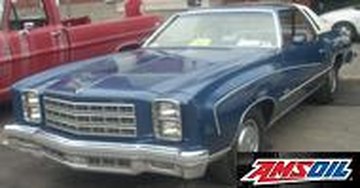
Lubrication Maintenance for the 1982 Chevrolet IMPALA 5.0L
Maintaining a vehicle from the early 1980s requires a proactive approach to fluid management and mechanical inspection. For the 1982 Chevrolet IMPALA equipped with the 5.0L engine, consistent attention to lubrication is a fundamental aspect of long-term ownership. Because older engines may exhibit different sealing characteristics than modern counterparts, understanding how to monitor and respond to changes in lubricant condition is essential for preserving engine health.
Monitoring Fluid Integrity and Potential Leaks
One of the most effective ways to manage an aging engine is through regular visual inspections of the lubrication system. Rather than waiting for a warning light or a significant drop in fluid levels, owners should periodically check for signs of seepage. When inspecting the engine bay, look closely at various sealing surfaces and gaskets for any evidence of wetness or residue that might indicate a slow leak.
If you notice dark staining or oily residue accumulating on the exterior of the engine block or near the bottom of the oil pan, it warrants further investigation. It is important to remember that many symptoms, such as an oily residue or a slight odor, can have multiple causes. For instance, a small amount of seepage might be related to an aging gasket or a loose component. Identifying these signs early allows for more controlled maintenance decisions rather than reacting to unexpected fluid loss.
Additionally, checking the condition of hoses and any visible connections in the engine compartment is a prudent practice. While these components are not part of the internal lubrication system, their integrity often correlates with the overall thermal management and cleanliness of the engine environment. Ensuring that there is no external contamination or fluid buildup helps maintain a clean workspace for future service tasks.
Observing Changes in Lubricant Condition
Beyond looking for external leaks, monitoring the actual state of the oil itself provides valuable information about the internal environment of the 5.0L engine. When performing routine checks, pay attention to the color and consistency of the lubricant on the dipstick.
Significant changes in how the oil looks or smells can be useful indicators for an owner. For example, if the oil appears excessively dark or contains visible particulates, it may indicate that the service interval has been exceeded or that there is increased internal wear. Similarly, any unusual texture or a scent that deviates from the standard smell of engine oil should be investigated. While these observations do not provide a definitive diagnosis of a specific mechanical failure, they serve as important signals that the lubrication system requires professional attention.
It is also helpful to monitor how much lubricant the engine consumes between service intervals. If you find yourself needing to add fluid more frequently than in previous months, this change in consumption pattern should be noted. Tracking these changes helps establish a baseline for what is normal for your specific vehicle, making it easier to identify when an actual issue has developed.
Prioritizing Maintenance Through Record Keeping
For owners of a 1982 Chevrolet IMPALA, establishing a clear maintenance history is one of the most effective ways to manage long-term care. When a vehicle has been in service for several decades, knowing exactly when fluids were last changed and which components were recently inspected can prevent redundant work and help prioritize necessary tasks.
If you are currently managing a vehicle with an incomplete service history, your first priority should be to establish a baseline. This involves performing a thorough inspection of all major fluid levels and the general condition of the engine bay. Once you have documented the current state of the vehicle, you can begin a consistent schedule of monitoring and service. Keeping a detailed log of oil changes, filter replacements, and any observed leaks or mechanical noises will provide a roadmap for future maintenance.
This documentation is particularly useful when distinguishing between routine preventive maintenance and repairs that are necessitated by actual wear. By reviewing past records, you can see if a particular issue, such as a slow seepage, has been present for a long time or if it is a new development. This distinction is vital for making informed decisions about whether to address a component immediately or continue monitoring its condition.
Managing Aging Engine Components
As vehicles age, the materials used in various seals and belts may undergo changes in flexibility and durability. For the 1982 Chevrolet IMPALA, it is wise to adopt a condition-based approach to maintenance rather than relying solely on the age of the vehicle.
If equipped, inspect all accessible drive belts for signs of deterioration such as cracking, glazing, or fraying. These components are subject to heat and constant movement, which can cause them to become brittle over time. Similarly, if the engine utilizes various hoses for cooling or vacuum systems, check them for softness, hardening, or visible cracks. While these parts may not be directly involved in the lubrication of the internal engine components, their failure can lead to overheating or other issues that indirectly affect oil stability and engine longevity.
When inspecting electrical connections and wiring within the engine compartment, look for signs of corrosion or fraying. Maintaining clean and secure electrical paths ensures that sensors and indicators function correctly, providing you with accurate information regarding the vehicle's operating status. A proactive approach to these secondary systems supports the overall reliability of the primary engine components.
Effective Strategies for Long-Term Ownership
Successful long-term ownership of a classic 5.0L Chevrolet engine involves moving away from reactive repairs and toward consistent, observant maintenance. This means being attentive to the small details that precede larger mechanical issues.
- Address active concerns first: If you notice an active leak or a change in fluid color, prioritize investigating these symptoms before moving on to general aesthetic or non-essential maintenance.
- Monitor consumption patterns: Keep track of how often you add oil. A steady, predictable amount is much easier to manage than sudden, unexplained changes.
- Use current condition as a guide: Instead of replacing parts simply because they are old, use visual inspections to determine if a component's actual condition warrants replacement.
- Maintain a clean engine environment: Reducing the buildup of dirt and grime makes it much easier to spot new leaks or cracks during your routine inspections.
By combining these strategies with a disciplined approach to record-keeping, you can ensure that the maintenance performed on your 1982 Chevrolet IMPALA is both purposeful and effective.
Practical Guidance for Buying Engine Oil for the 1982 Chevrolet IMPALA 5.0L
When it is time to replenish or change the lubricant in your engine, the most important step is to ensure that the product you select matches the specific requirements of your application. To avoid errors, always match the engine oil to the application-specific viscosity information already displayed on this webpage.
Before making a purchase, carefully check the product labeling to confirm it meets the necessary standards for your vehicle. While modern oil formulations offer various options—including conventional, synthetic blends, and full synthetics—the best choice is one that aligns with the technical data provided in your application information. Some high-mileage oil formulations contain additives intended for use in aging engines, including seal-conditioning additives, which may be a consideration depending on your engine's current condition.
Always verify that the oil you are buying is appropriate for the specific needs of your 5.0L engine as outlined in the technical specifications above. By following the provided application data rather than making assumptions based on general automotive knowledge, you ensure that your lubrication remains consistent with the requirements of your vehicle.